Funny Mom Design, Did Someone Say
First Impression: Playful, Punchy, and Perfectly Sized for Real-Life Stitching
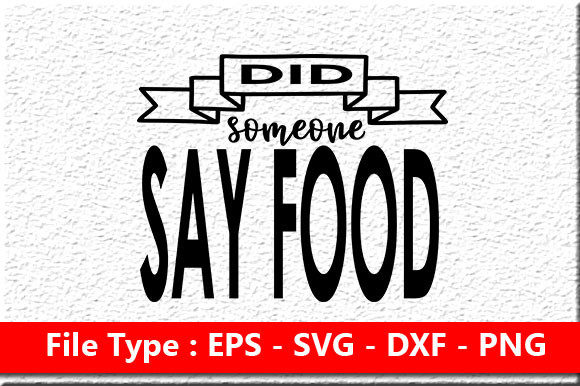
When I opened Funny Mom Design, Did Someone Say for the first time, my instinct was to imagine it stitched onto a soft, heavyweight cotton tote—something a mom would grab before school drop-off or a farmers’ market run. The layout is clean and centered, with bold, friendly lettering and just enough whimsy in the curve of the “o”s and the slight bounce in the baseline. It’s not overly detailed, which is smart: this isn’t a design meant for 12x18” wall art—it’s built for wearability, readability at arm’s length, and quick recognition. As a machine embroidery design, it leans into confidence over complexity. That matters when you’re stitching across uneven fabric surfaces or scaling for different products.
Where It Shines: Sweatshirts, Totes, Patches, and Personalized Gifts
I tested Funny Mom Design, Did Someone Say on a midweight French terry sweatshirt—and it landed exactly as intended. The letterforms held up beautifully with standard stabilizer and medium-density fill stitch. No thread nesting, no puckering, and the phrase read clearly even from six feet away. It also translated well to an embroidered patch (heat-seal backing + simple satin stitch border), making it ideal for boutique aprons or denim jackets sold at craft fairs. For Etsy sellers, this is a strong candidate for “mom life” bundles—pair it with coordinating SVGs for tea towels or baby onesies. As a digital embroidery file, its versatility across apparel, home goods, and nursery decor makes it a reliable workhorse for small shop product lines.
Real-World Fit: Not Just Cute—Commercially Smart
- Tote bag design: Stitches cleanly across canvas seams; minimal distortion on side gussets.
- Sweatshirt embroidery: Holds shape on ribbed cuffs and hems when hooped with cutaway stabilizer.
- Baby embroidery: Works best on onesies sized 6–12 months—smaller sizes risk overcrowding the chest area.
- Holiday embroidery: Paired with a simple red/green thread palette, it reads as festive without needing seasonal graphics.
- Personalized gift: Customers love the lighthearted tone—it feels warm, not ironic, especially when stitched on kitchen towels or pillow covers.
Where to Use It Thoughtfully (Not Everywhere)
This isn’t a one-size-fits-all embroidery file—and that’s okay. Funny Mom Design, Did Someone Say has clear sweet spots, but it also has boundaries worth honoring. Avoid using it on ultra-thin fabrics like lightweight rayon or silk charmeuse without heavy tear-away stabilizer and reduced stitch density. On stretchy knits (think jersey tees), test first: the straight-line lettering can telegraph tension issues if hooping isn’t precise. Curved surfaces—like the front of a structured cap—require careful digitizing adjustments; this version appears optimized for flat or gently contoured areas, not deep crown curves. Also, tiny corners (e.g., inside the “a” or “g”) may need trimming after stitching on dense fabrics—don’t assume every detail will self-clean.
What It Adds (and Doesn’t Add) to Your Finished Product
A well-executed Funny Mom Design, Did Someone Say elevates handmade presentation—not by being flashy, but by feeling intentional. It signals care in curation: the kind of design that says, “I chose this because it fits *her*, not because it’s trending.” That builds customer trust, especially for Etsy sellers and craft business owners who rely on repeat buyers and word-of-mouth. Visually, it balances legibility and charm—no squinting, no decoding. Thread color contrast is critical here: on dark fabric, a bright white or buttercream thread lifts the phrase; on light fabric, navy or charcoal adds quiet sophistication. It doesn’t scream—but it does resonate. And in a crowded marketplace of generic “Mom Life” graphics, resonance is what converts browsers into buyers.
Practical Designer Notes Before You Stitch
- Test the embroidery file on scrap fabric matching your final product—especially if using textured or layered materials.
- Review stitch density: if your machine struggles with dense fills, reduce density slightly rather than shrinking the design.
- Confirm hoop size compatibility—this design likely fits comfortably in a 4x4 or 5x7 hoop, but verify before batching orders.
- Inspect small details in your embroidery software: check for stray running stitches or unnecessary underlay in tight letter junctions.
- Preview in black-and-white mockups to assess contrast on both light and dark backgrounds.
- Use appropriate stabilizer: cutaway for knits, tear-away for stable wovens, fusible for lightweight linens.
- Verify licensing terms—this is a Graphics asset, so confirm whether commercial use (e.g., selling finished embroidered patches) is permitted before listing on your small shop or Etsy store.
Final Thought: A Reliable, Human-Centered Design Asset
Funny Mom Design, Did Someone Say won’t win awards for technical innovation—but it doesn’t need to. In the Crafts space, reliability is currency. It delivers consistent results across common embroidery projects, supports brand consistency for small businesses, and lands with warmth on personalized gifts. As a designer who’s stitched hundreds of “mom-themed” pieces, I appreciate how little it asks of the maker—and how much it gives back in perceived value. It’s not background noise. It’s the kind of design that makes someone pause, smile, and say, “Yes—that’s *exactly* how I feel.” And in handmade product development, that’s the highest compliment you can earn.